

CANCER AWARENESS
Melanoma Skin Cancer Awareness Month
May
See Beyond the Surface – Precision in Every Stain
Melanoma is one of the most aggressive forms of Skin Cancer and is responsible for the majority of skin cancer-related deaths. Early and accurate diagnosis remains essential for improving patient outcomes.
Histopathology combined with Immunohistochemistry (IHC) plays a crucial role in distinguishing benign from malignant melanocytic lesions, guiding timely and confident clinical decisions.
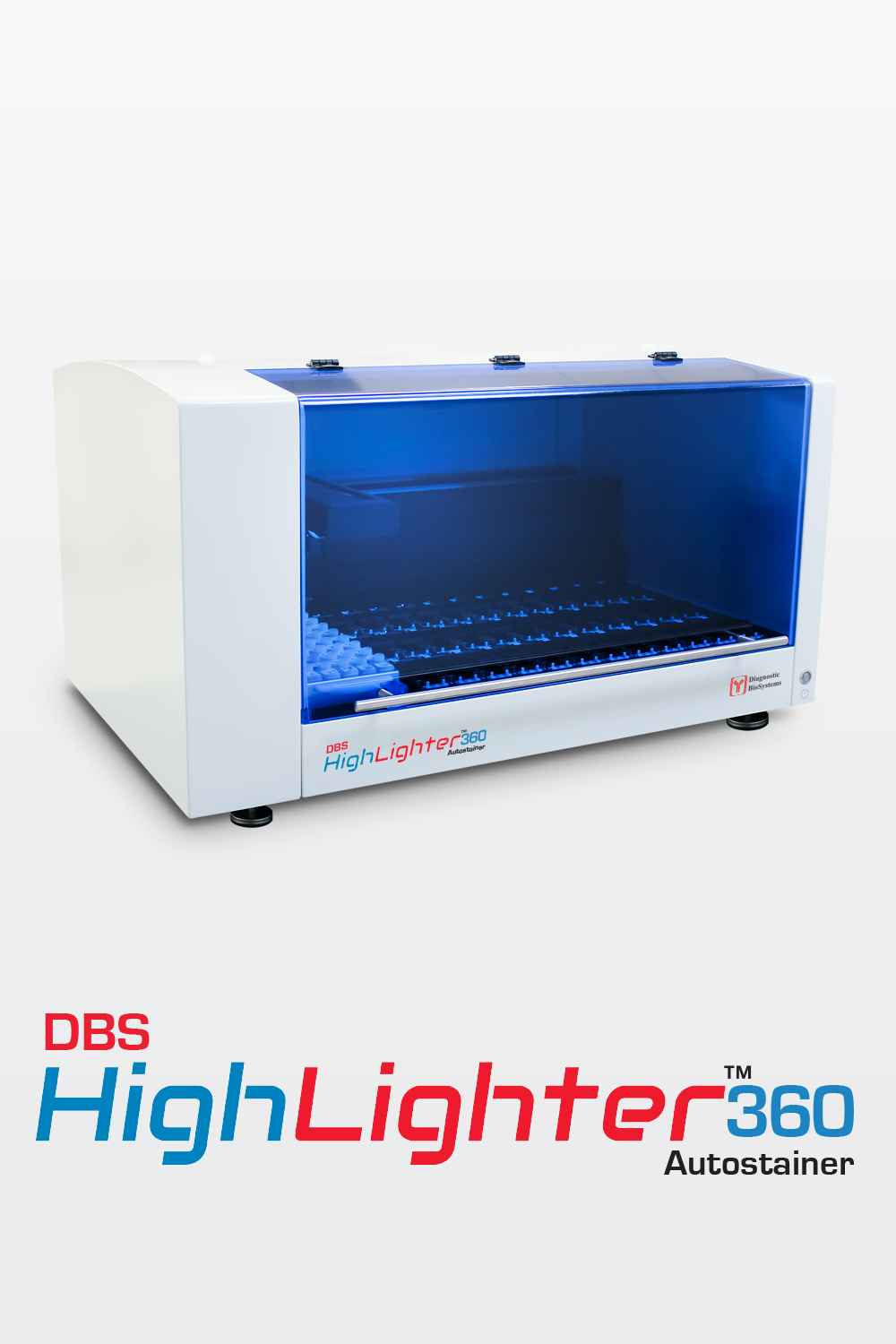
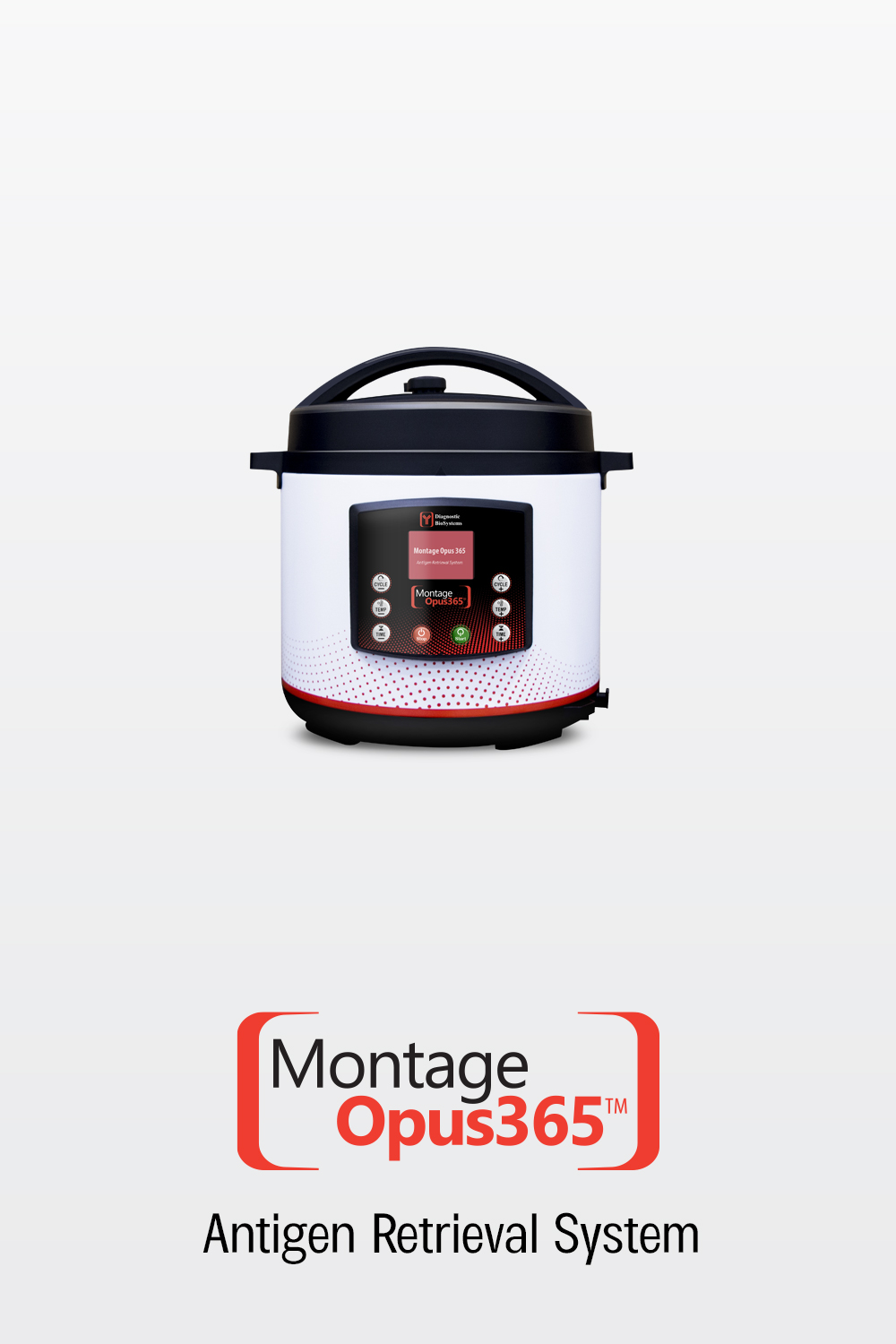
At Diagnostic BioSystems, we empower pathology laboratories and clinicians with high-quality IHC reagents designed for dependable melanoma diagnosis. Key melanoma markers include:
- S100 – Highly sensitive marker, ideal for initial screening.
- HMB-45 – Useful in confirming melanocytic differentiation.
- Melan-A (MART-1) – Sensitive and specific for melanocytic lesions.
- SOX10 – Excellent marker for melanoma and neural crest-derived tumors.
- PRAME – Valuable nuclear marker aiding in differentiation of malignant melanoma from benign lesions.
As melanoma incidence continues to rise worldwide, especially among younger adults, the need for rapid and reliable diagnostic solutions is greater than ever.
Spotting Melanoma: The ABCDE Rule
Dermatologists use the ABCDE guide to help identify the warning signs of melanoma:
A – Asymmetry: One half of the mole or spot does not match the other half.
B – Border: The edges are irregular, ragged, notched, or blurred.
C – Color: The color is not uniform. It may include different shades of brown or black, or sometimes patches of pink, red, white, or blue.
D – Diameter: The spot is larger than 6 millimeters across (about the size of a pencil eraser), though melanomas can sometimes be smaller.
E – Evolving: The mole is changing in size, shape, color, or elevation, or you notice a new symptom like bleeding, itching, or crusting.
Precision Support in Mohs Surgery
The MOHS Green Kit is developed to support Mohs micrographic surgery with reliable IHC staining in less than 20 minutes, specifically optimized for frozen sections. It helps clinicians accurately detect tumor margins while preserving healthy tissue—supporting faster treatment decisions and better patient recovery.
This Melanoma & Skin Cancer Awareness Month, we stand with pathologists, clinicians, and healthcare professionals in advancing early detection, diagnostic confidence, and better patient care.